How do you judge that something that cannot be quantified has really happened?
Well, you can have faith. Communities tend to have a collective form of faith. They call this custom and tradition. They go by beliefs that certain signs and wonders mean certain things. So, when a community wants to decide on an issue, they go by a majority consensus. First that community gathers. Then it takes collective responsibility for the majority consensus.
“Majority consensus is how communities settle disagreements, from village meetings to national elections. But what happens when that method is weaponized, or when fear finds a lack of legal literacy, or rumour is allowed to stand in for evidence? The most vulnerable are thrown to the wolves and the wolves sometimes wear the mantle of tradition. This becomes a common occurrence.
The Court of Public Opinion
On the 29th of May 2026, Odong found himself on the receiving end of this brand of justice. A community gathering was called by the Rwot Kweri (a leader with knowledge on all the boundaries in his village), the LC3 Councillor, and the Women’s Representative. On its face, it was a public meeting, the kind that happens regularly in communities where collective decision-making remains the backbone of social order. One hundred and sixty people attended and voted that day on whether Odong was a witch who goes under the sea to receive powers.
The majority raised their hands.
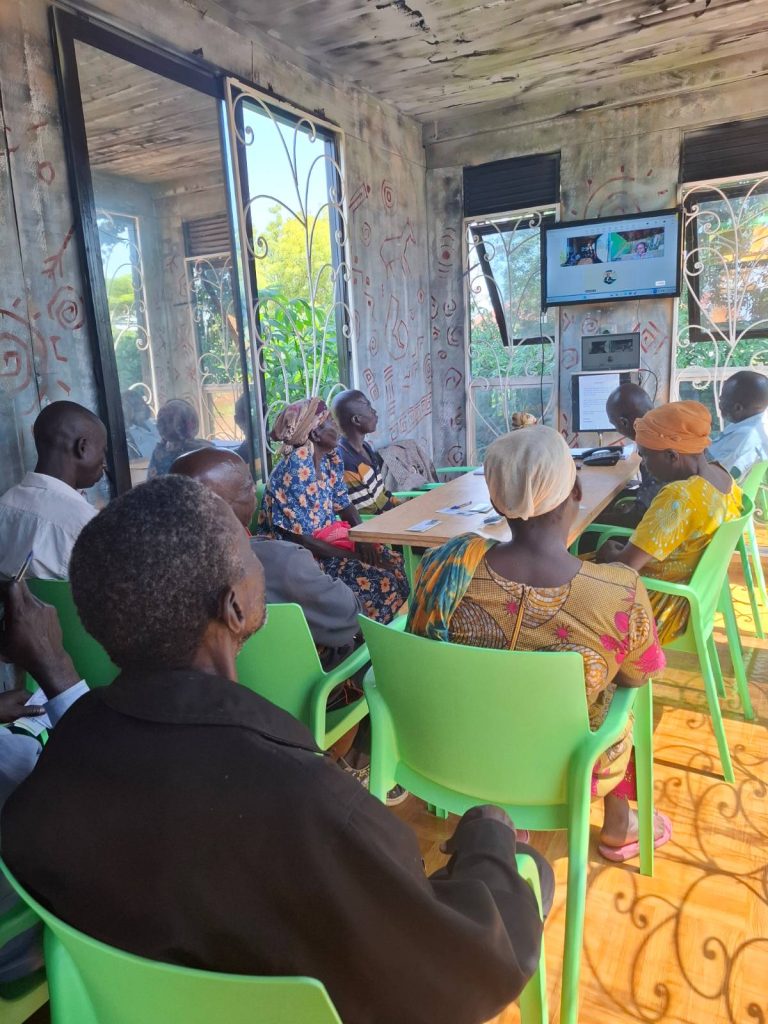
A man’s life, his reputation, his property, his place in the community was determined not by evidence, not by a court, but by a show of hands under a tree. The punishment that followed was swift and damning. He was banished under community byelaw, and a community sale of the land his father had gifted him for one million Uganda shillings, and the proceeds redirected to community work.
What was his crime? His child, while playing with neighbours’ children, had shaved the hair of another child. That child later fell ill. Hospital tests returned negative. But in a dream, the realm that fear so often exploits to minister ‘logic’, the sick child reportedly spoke to his father and claimed that Odong’s child wanted to cut off his legs and apply medicine to them. The Women’s Representative testified that Odong had been found playing with children while holding a spear and two eggs and he had also been seen taking pictures of people without their parents’ permission. And just like that, a man who had purchased land, who had children, who belonged was voted out of belonging.
Seventy miles from that village, Ojok and his wife (their names withheld here for the dignity they were denied in that meeting) were accused of practising witchcraft. The matter went to the clan leaders. A meeting was convened. A poll was conducted. The majority voted that they were guilty. The clan leader ordered them to pay a fine of one million shillings to ‘purchase’ their forgiveness. When it became clear the couple could not afford it, the same clan leader offered to purchase their cow for 800,000 shillings. He took advantage of their vulnerability for his personal benefit, and the community watched it happen.
Where the formal legal system is distant, expensive, and written in a language many cannot access, communities have built their own systems of justice. And for the most part, those systems work. They resolve disputes over land, marriage, inheritance. They restore harmony. But they also charge a dark costly price that is paid by innocent people that cannot speak for themselves or seek for justice elsewhere.
Our Part and Lot
The complainant in the first case came to BarefootLaw because he had heard that we had helped another family in similar circumstances. He was desperate for justice to save his son whose life was unravelling over a child’s dream.
The Constitution of Uganda does not recognise witchcraft as a crime. The Penal Code does not empower communities to banish citizens or seize their property based on accusations of supernatural powers. The case of Salvatori Abuki, a landmark decision in Ugandan jurisprudence stands firmly against the detention of individuals on grounds of suspected witchcraft, and its logic extends to banishment, to fines, to the seizure of land.
Walking into any community and dismissing them as backwards would be a failure of imagination and a betrayal of the very people we seek to help. The challenge was to recognise that these practices emerged from a genuine place and desire for order, for protection, for a way to make sense of misfortune. The child fell ill. The dreams were real to those who had them, and something needed to be done. But the thing that was done and how it was done was not the only option. It was not even a lawful one. And the work of legal empowerment, in its deepest sense, is to expand the range of possible responses. To show that justice does not have to mean revenge. That a community can take fear seriously without turning on its own.
There are things that the law cannot do. It cannot enter a child’s dream and determine whether it is prophecy or indigestion. It cannot adjudicate the metaphysical question of whether a man goes under the sea. It cannot replace the felt reality of a community’s fear with a statute book. But there are things it can do and must do. It must protect the vulnerable from the tyranny of the majority and ensure that no person loses their land, their liberty, or their place in their community based on a rumour and a show of hands.
This approach begins with listening. Then explaining your position. It succeeds only when the community itself sees the contradiction between what they have done and what the law allows. In Pagik, the leaders and community eventually resolved not to banish Odong or sell his land, after we helped them reconcile the law with their customs.
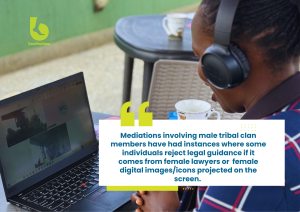
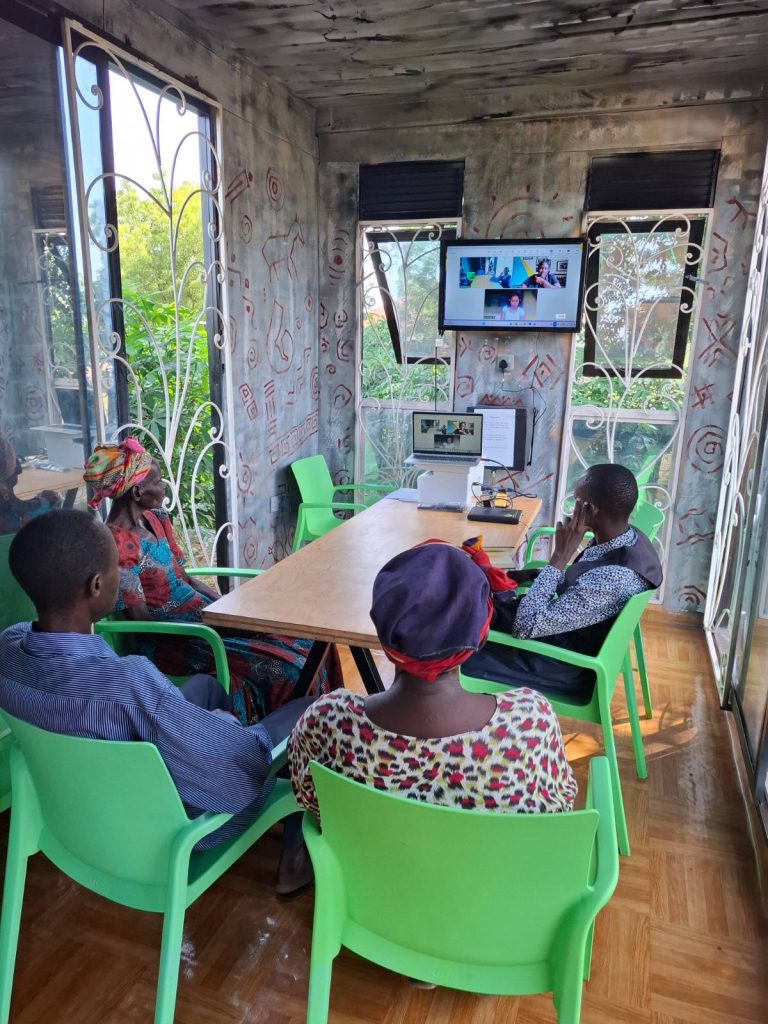
In the case of Mr. and Mrs. Ojok, mediation at the BarefootLaw Box achieved what confrontation never could. The clan leader and community members were invited to sit with our lawyers. The principles of mediation were explained. Both parties spoke. And in the end, in the interest of harmony and peaceful coexistence, the clan agreed to refund 400,000 shillings. It was paid on 13th April 2026. It was not a total victory by the strict measure of the law. But a victory for the idea that justice does not have to leave a community more broken than it found it.
A note on the cases: The names of individuals and locations in the cases have been withheld to protect their confidentiality. The facts of both cases are drawn from BarefootLaw’s case files and community mediation records.