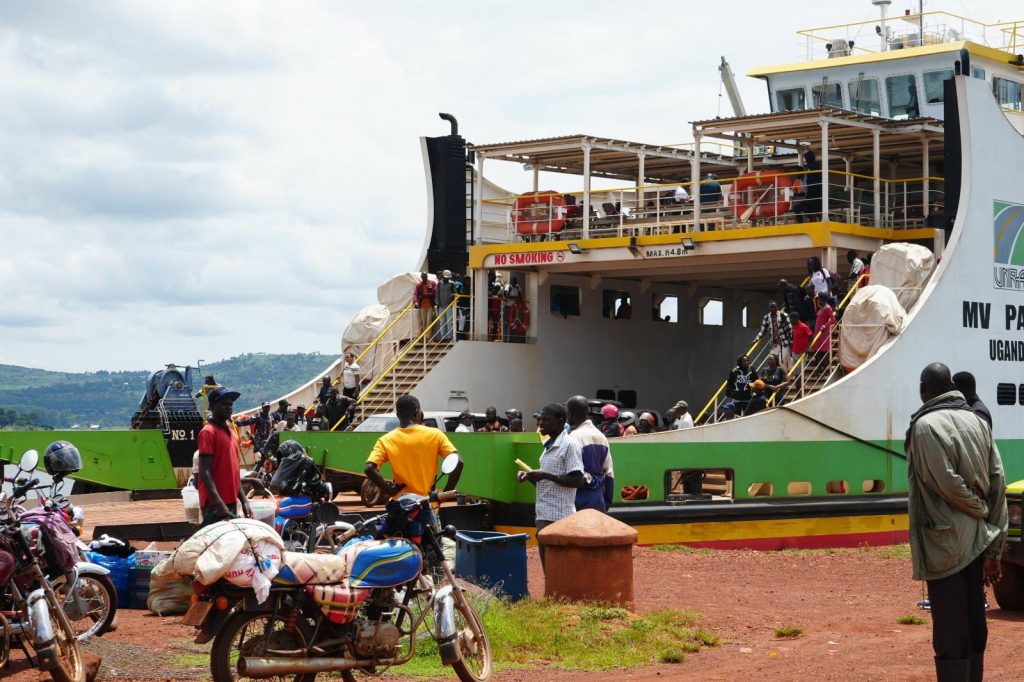
If you miss a taxi, chances are another will come in the next 3–5 minutes, and you’ll be on your way. In fact, in many parts of Kampala, taxi conductors will be falling over themselves to convince you that their taxi is the most convenient option for your early morning commute to work. You’ll have your choice of seat and who you sit next to. The demand for Boda Boda is pretty much the same. As you are haggling over the fee, 3 others are lined up ready to undercut the offer of the one you are speaking to. There are, however, places where this is not the norm. If you miss a boat, you may as well go home and wait another day or the following week.
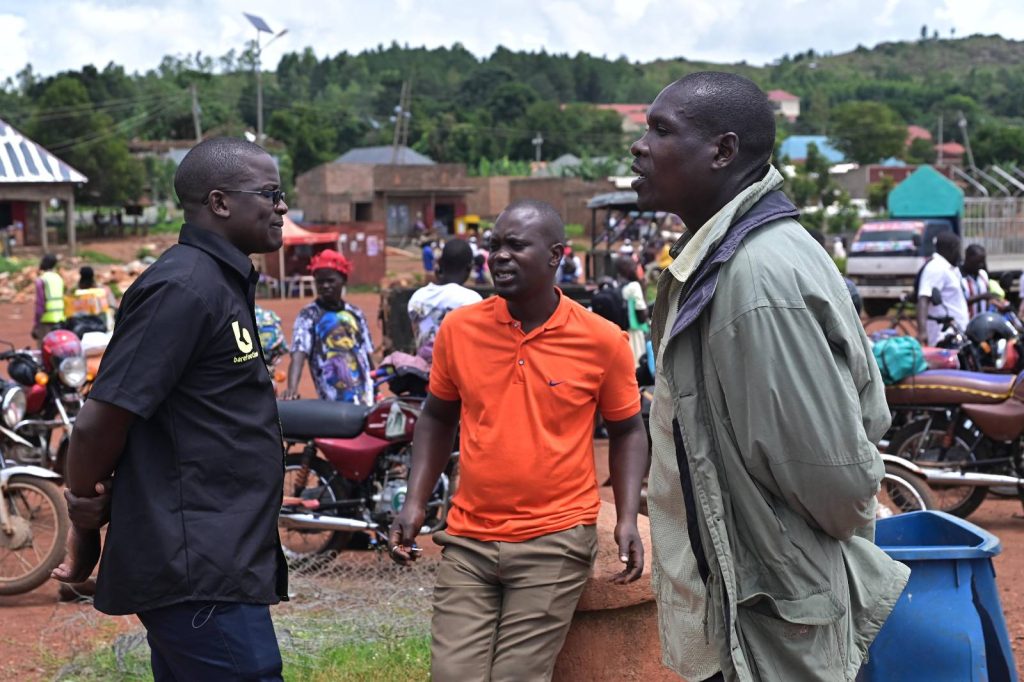
On the 24th of April 2026, we set out for Kiyindi Landing Site and Buvuma Island with a team of ten Lawyers, paralegals, and support staff to share our vision of peaceful communities that thrive from having access to legal information. We are based in Kampala, in one of those areas where bodas will beg to take you where you need to go. We set off early so we could catch the early morning. Not early enough, as we would discover.
Somewhere along the way, we took a wrong turn. This happens more often than we care to admit; the roads in Uganda do not always announce themselves, and the landmarks that locals take for granted are invisible to those passing through. By the time we arrived at Kiyindi, we had missed the first shift of the ferry that we had planned to sail on. It was the kind of setback that could have derailed the entire day. But this is not really about the ferry. It is about the thousands of people across Uganda, in the places where they live, work, and struggle, who are waiting for the law to arrive. That is where justice happens or fails to happen.

We found ourselves with a 2-hour wait for the next ferry. So instead of idly waiting, we set up a legal clinic at the landing site. We started by sharing what and whom we are sharing, and, similar to how you would let customers sample your wares, we gave snippets about the law and how it might affect people’s lives. This turned out to be the catalyst they needed.
Over the course of the day, we trained 489 people: 247 women and 242 men. The numbers matter, but only insofar as they point to something larger. Each number is a question that has been nagging at someone until a lawyer sits across from them and says, “Tell me what happened.”
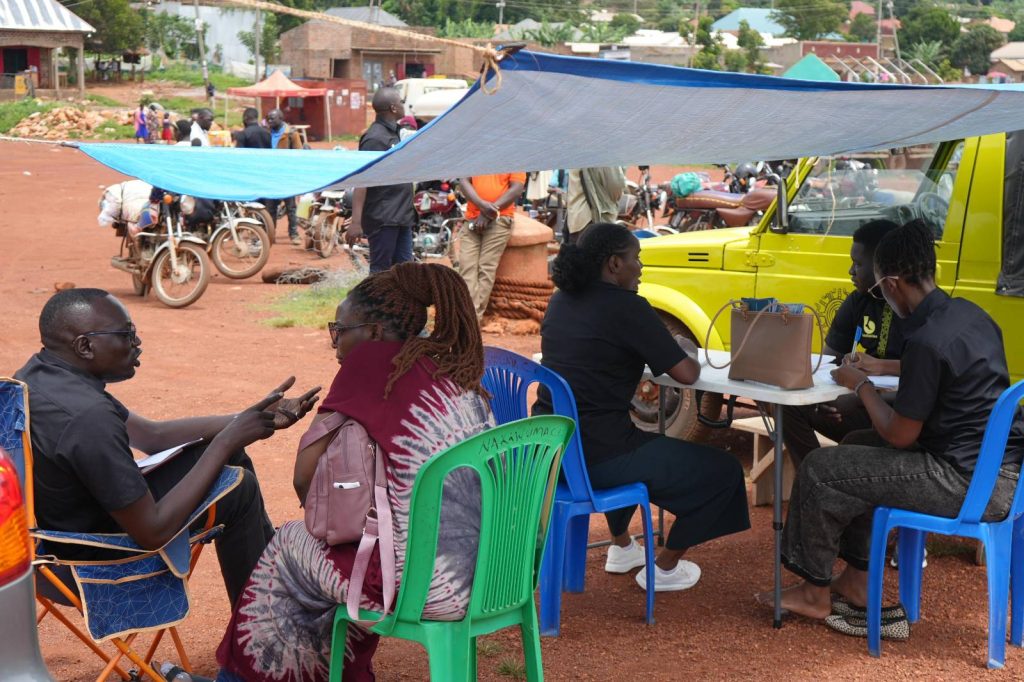
We handled 37 legal consultations that day. The issues we heard were the same issues we hear everywhere: land, succession, child maintenance, false accusations. But on that ferry, crossing the waters to Buvuma Island, they felt the stakes were higher for a simple reason. The court only sits on a Friday, and many were desperate to receive timely legal information on their way to court. Some bemoaned their colleagues on the earlier ferry who missed out on what they described as a godsend of an opportunity.
One woman whose father died, and his wife has sold all his property without giving them anything, wanted a remedy. Another woman who got married and was neglected with six children sought relief for her starving children. A man whose brother was accused of rape and who had been on remand for six years despite knowing that there was evidence that the brother wasn’t even at the scene of the crime at the time, wanted justice but didn’t know how to start seeking it.
And again and again, the same question, in different words: “They promised compensation. We have not received anything. Is there a way we can get this money?”
That last question was asked more than once, by more than one family, because Land is the only inheritance a parent can leave. When the government takes it and does not pay, it is not a bureaucratic delay. It is a slow starvation.
It is a simple question. But it reveals something profound about the relationship between formal law and community practice. In many parts of Uganda, the chairman’s stamp has become a de facto requirement for land transactions. People genuinely believe that without that stamp, their sale agreement is worthless, and they are not entirely wrong. In practice, the community will not recognise a land sale without it. But the law does not require it. The law does not empower chairpersons to charge fees for stamps. And yet, the practice persists.
There is a reason we chose to do this training on the ferry itself. It was not just about reaching a large number of people, even though that was part of it. It was about meeting people where they are. Literally. In transit. Between one place and another. In a liminal space where they have time to listen, to ask, to wonder if perhaps the law has something to offer them after all.
The ferry shifts are short—no more than an hour each way. We had to work quickly. We had to choose what to say, what to explain, what to leave for another day. We had to accept that we would not reach everyone, that some consultations would have to wait. People on that ferry were hungry for this, and they appreciated that someone with a law degree had listened to their story without dismissing it. That the law, distant as it seemed, had a word for what they were going through.