
In Lukulu District in Zambia’s Western Province, there’s a market. A clean market. Seen from above, the stalls are organised. Some are even sheltered. The walkways are wide enough that they do not disrupt the flow of traffic. But therein lies the problem: there is no foot traffic. Instead, all the noise, the hustle and the bustle come from a dirty, disorganised market. Its mix of scents should not be understood, if you want to keep shopping there. But it wasn’t always so.
Death by poor sanitation is a deplorable thing. No government wants to be associated with it. Once the government was alerted to an impending sanitation crisis in busy areas like markets, it rushed in to fix the problem. The solution appeared straightforward. The state built a new modern market. It was regulated, with proper toilets and minimal user fees. The vendors came, of course, attracted by modernity and the promise of what the new market could deliver. Before long, clashes sprung up between the traders and the local council enforcement officers. The officers were sworn to maintain the sanitation standards. A hard deadline was imposed for enforcement.
That night, the market emptied out. The traders packed their wares and moved a few metres onto adjacent cultural land that houses the old markets. When enforcement officers arrived in the morning, they found a mocking emptiness. When they crossed over to the old market, they were met with jeers and dares. The traders knew the power of jurisdiction. They were untouchable. The new market now stands empty. The old market thrives.
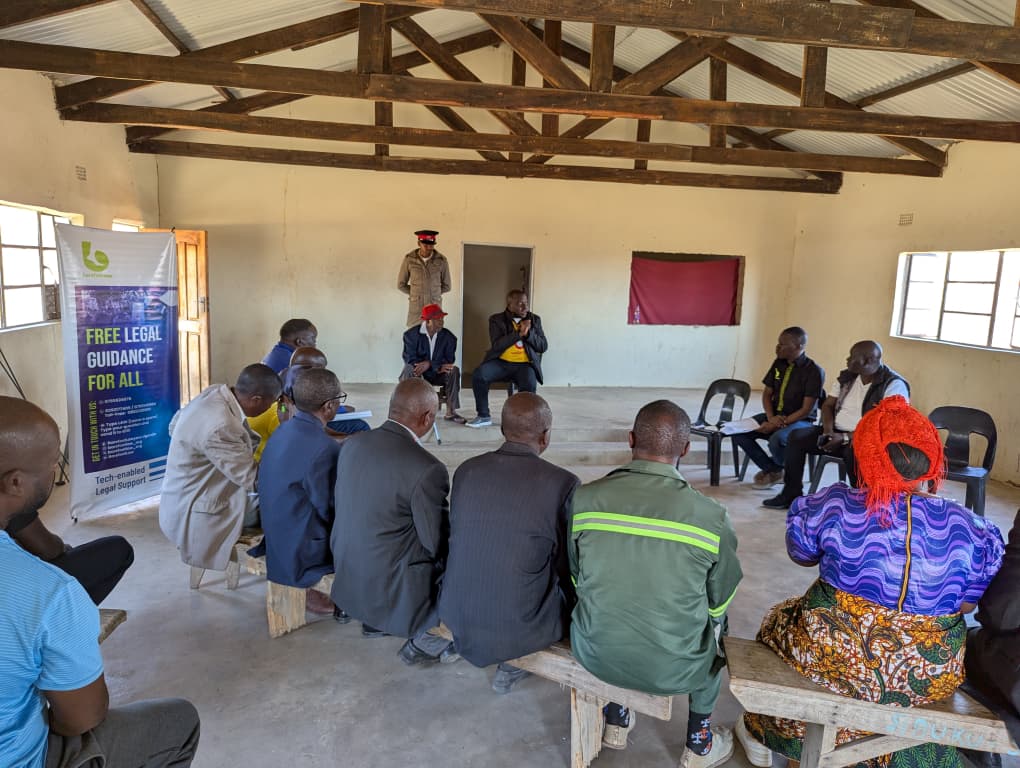
This is not a story about markets though. It is a parable of legal pluralism, and of the quiet resistance of those who have learned that the state’s writ runs only so far. The vendors’ choice mirrors a deeper reality in Zambia’s legal landscape. Zambia’s justice architecture is explicitly dual. This province is under authority and customs of the Barotse Royal Establishment (BRE), the administrative and traditional government of the Lozi kingdom while still being under the state law. The Constitution recognises customary law. Yet the majority of citizens, particularly in rural areas, never see a lawyer or a magistrate. Their justice is dispensed under a mango tree by a village headman or at a chief’s Kuta. The formal system is distant, expensive, and conducted in English, a language many have never mastered. Customary forums speak the local tongue. They cost little. And they restore relationships rather than simply punish.
For the marginalised, this is not abstract theory. For a widow, a poor farmer, or a young man caught stealing, the choice is a calculated survival strategy. The old market, like customary justice, is accessible and culturally legible. The new market, like the formal legal system, is foreign and imposing. The vendors do not see themselves “in this thing”, just as marginalised people are invisible to state laws that come without community buy-in. But this sanctuary is a double-edged sword. It shelters people from an alien law, yet subjects them to local power dynamics. A widow may trade away statutory protections to remain within a system that acknowledges her as a person with a place in the social order. That trade-off is rarely acknowledged in policy debates.
What is missing, then, is not more laws or cleaner infrastructure. The missing link is tech-enabled legal awareness, tools that allow people to familiarise themselves with the law on their own terms, in their own language, at their own pace. When people understand the law, they can embrace it. They choose systems that reflect their identity and that they can comprehend, not systems that are imposed from above. That is precisely what Barefootlaw offers: a bridge between the formal and the familiar, making legal knowledge accessible to those who have never seen a courtroom. Building another empty market will not solve the problem. The law must be legible and relatable, so that citizens can navigate it with confidence. Only then can the law earn the permission to enter the spaces where people actually live.