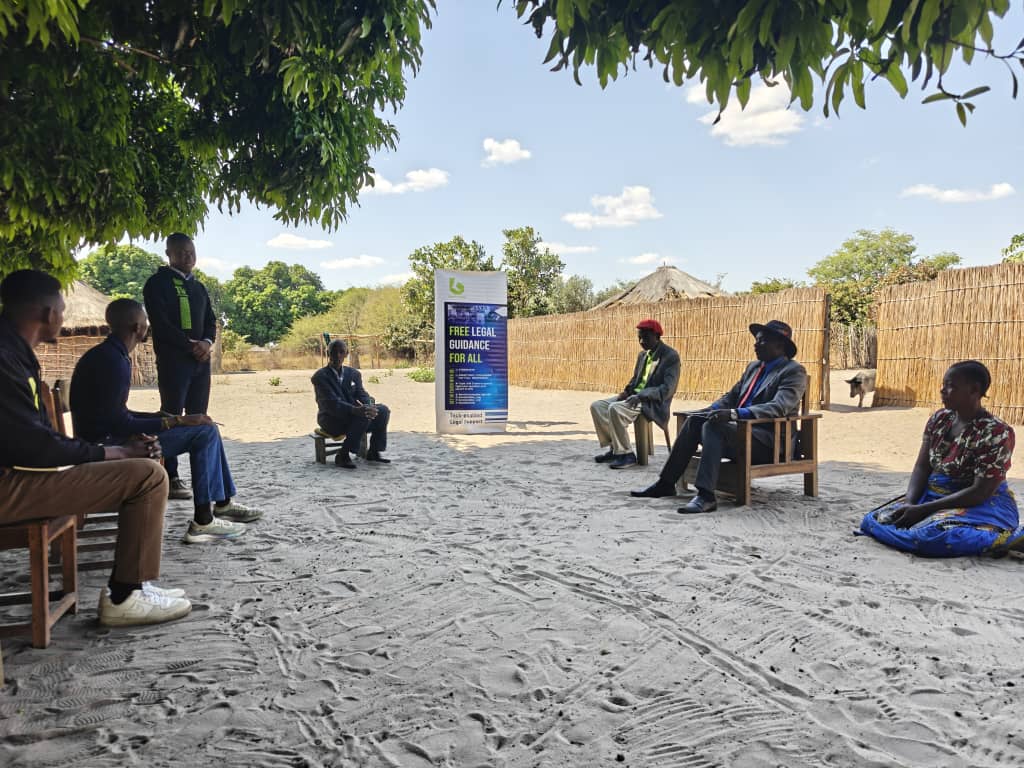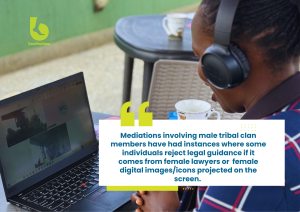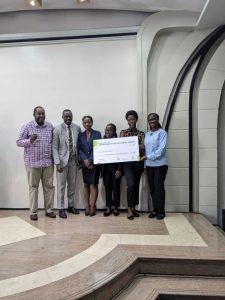
Our team embarked on a cultural and legal exploration of Zambia’s traditional justice system, visiting the palace and its surrounding communities to understand how indigenous leaders bridge access to justice for marginalized populations.
The day unfolded as a lesson in protocol and hierarchy. Upon arrival, we were received by a cultural guide who walked us through the sacred rituals of entry—kneeling, clapping in unison, and awaiting direction—before we could even approach the kuta (traditional court). From there, Indunas formally requested the Chief’s permission on our behalf, a process known as “ascending,” which ultimately granted us the privilege of direct engagement with these key functionaries.
What emerged from our conversations was a clear picture of a parallel justice system operating with defined roles: the Chief as supreme authority, Indunas as mediators and gatekeepers at district and palace levels, and Village Headmen/women managing civil disputes at the grassroots. A consistent theme surfaced—traditional courts are the forum of choice for those seeking reconciliation and amicable resolution, while parties pursuing punitive outcomes bypass the system entirely for formal courts or police.
The divide between traditional and formal justice is not adversarial but functional, driven largely by the outcome communities desire. Our research questions were administered across all sites, and we have documented both the operational strengths and the challenges facing these local leaders.
Looking ahead, we plan to deepen this work with return visits to the palace, engagement with a second Chief, further Induna interviews, and critical stakeholder meetings with police and social welfare officials to explore points of synergy between these coexisting systems.